
How AI is Revolutionizing Data-Driven Decision Making


Understanding the Impact of AI on Decision Making
In today's fast-paced world, data-driven decision making is at the core of business success. With the advent of artificial intelligence (AI), companies are now able to analyze vast amounts of data with unprecedented speed and accuracy. This revolution is transforming how decisions are made across industries.
AI algorithms can sift through complex datasets, identifying patterns and trends that would be impossible for humans to detect. This capability enables businesses to make informed decisions based on real-time insights, ultimately leading to improved efficiency and competitiveness.

Enhancing Data Analysis with AI
Traditional data analysis methods often involve manual processes that are time-consuming and prone to error. AI, on the other hand, automates these processes, providing a more reliable and efficient approach. Machine learning models can learn from historical data, predicting future trends and outcomes with remarkable precision.
Moreover, AI-powered tools can handle unstructured data, such as text and images, expanding the scope of data analysis. This capability allows organizations to extract valuable insights from diverse data sources, enhancing their decision-making processes.
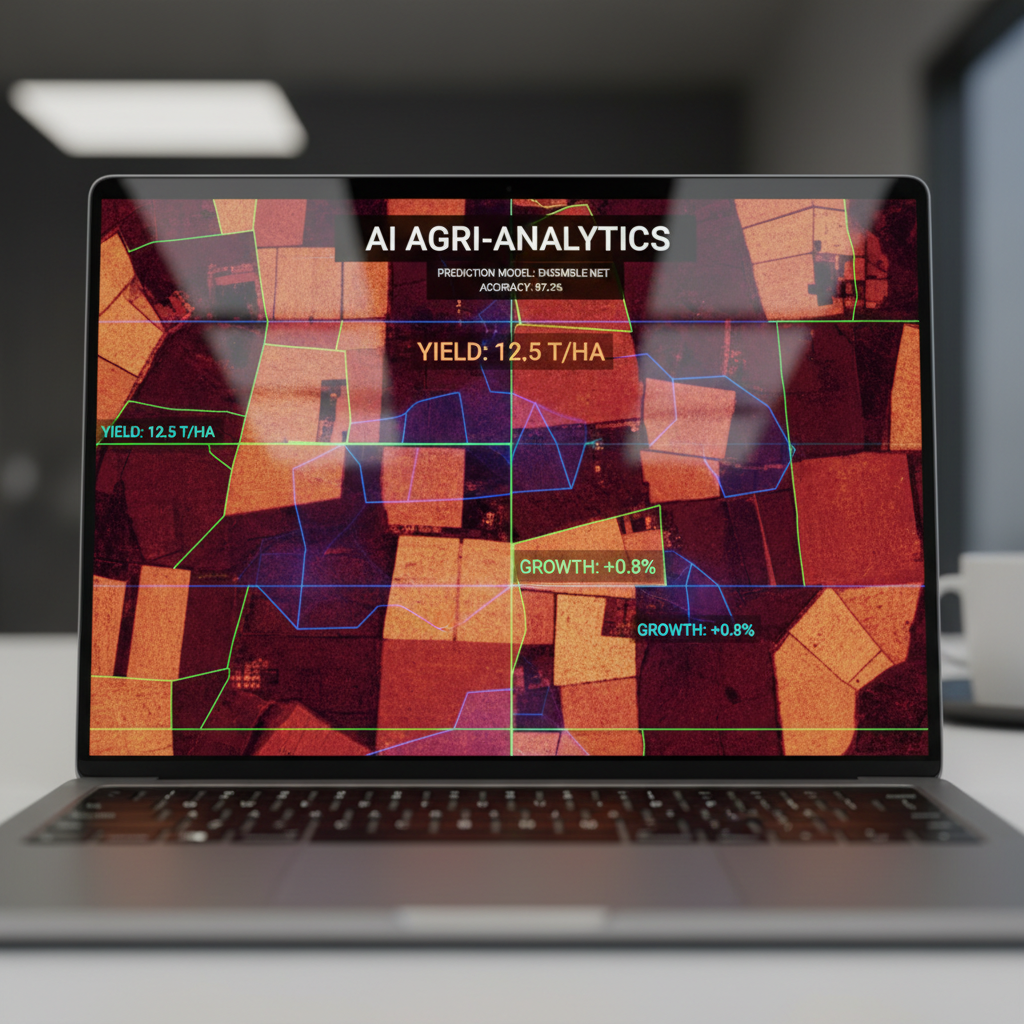
AI in Predictive Analytics
Predictive analytics is one area where AI truly shines. By using historical data, AI systems can forecast future events, helping businesses anticipate market changes and customer behavior. This foresight is invaluable for strategic planning and resource allocation.
AI's Role in Real-Time Decision Making
In addition to enhancing predictive capabilities, AI also facilitates real-time decision making. With AI-driven systems, businesses can respond swiftly to emerging situations, minimizing risks and seizing opportunities as they arise. This agility is essential in today's dynamic market environment.

Automating Routine Decisions
AI not only aids in complex decision making but also automates routine decisions. By handling repetitive tasks, AI frees up human resources for more strategic roles. This automation increases productivity and allows teams to focus on innovation and growth.
Challenges and Considerations
While AI offers numerous benefits, it also presents challenges. Data privacy and security are major concerns, as AI systems require access to vast amounts of sensitive information. Ensuring transparency and ethical use of AI is crucial to maintaining trust.
Moreover, the integration of AI into existing systems can be complex and requires careful planning. Businesses must invest in training and infrastructure to fully leverage AI's potential.

The Future of AI in Decision Making
As AI technology continues to evolve, its role in data-driven decision making will only grow. New advancements in AI are expected to further enhance accuracy and efficiency, offering even greater value to businesses.
Organizations that embrace AI will be better positioned to navigate the complexities of the modern market, making smarter decisions faster than ever before. The potential of AI in revolutionizing decision making is immense, and its impact is only just beginning to be realized.